
Policy & Advocacy
The Food is Medicine South Carolina (FiMSC) coalition brings together organizational partners committed to advancing policies that strengthen, scale, and sustain food is medicine programs across the state.
Progress Through Partnership

Through the coalition, partners align priorities, exchange insights and coordinate advocacy strategies that amplify our collective impact. Together, we work to elevate policy solutions that integrate food and nutrition as core components of health policy.
FiMSC identifies feasible and relevant policy pathways to ensure programs can be implemented and scaled effectively.
Prioritizing Food Is Medicine across state agencies and advancing related state-level priorities.
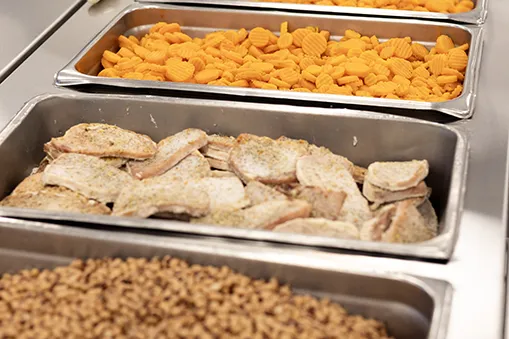
Allocating funding to strategically scale programs that benefit communities across the state.

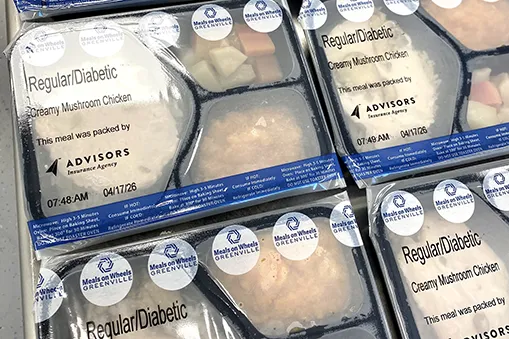
Increasing food-based interventions, including produce prescriptions, medically tailored or prepared meals, groceries, and food packages.
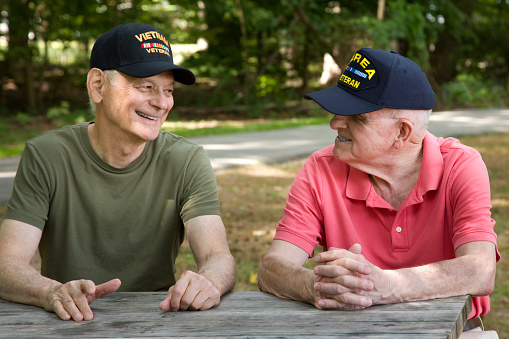
Establishing priority populations, including maternal health, youth, behavioral health, chronic conditions, older adults, veterans and rural communities.
Become an Advocacy Partner

FiMSC is learning from other states and exploring opportunities to build on existing authorities and align interventions with quality improvement strategies. Advocacy Partners can identify with levels based on their capacity and ability to participate:
Active Advocate
These are your most active and engaged participants. They’re ready to take direct action and influence decision-makers. Active advocates are not only willing to show up—they bring others with them.
Key activities:


Collaborators
Collaborators help shape the advocacy strategy. They contribute research, messaging, and connections that strengthen your policy efforts. They may not always be on the front lines, but they’re essential behind the scenes.
Key activities:
Supporter
Supporters want to stay informed and understand how policy impacts their work. While they may not take direct action, they are a valuable audience for education and awareness-building.
Key activities:

Join the
Food is Medicine South Carolina Movement
Nutrition is non-negotiable! Help make it a priority in healthcare. Reach out to join our movement today!
